Understanding Glendalough's Round Tower History
What these 9th-century structures tell us about monastic life, why they were built, and what makes this site so significant in Irish heritage.
Explore the remains of Wicklow's lead and zinc mining operations from the 18th and 19th centuries. This trail connects natural beauty with forgotten industrial history in a way most visitors don't expect.
Most people visit Glendalough for the round tower and monastic ruins. They're incredible, no question. But the Miners Village Trail? It's something different. You're walking through a landscape that's been shaped by two very different stories — and they're both happening on the same hillside.
This isn't a grueling hike. It's an intermediate-level walk that takes about two hours, with a 200-meter elevation gain. But the real payoff isn't the fitness. It's the moment when you're standing among overgrown stone foundations and realize that people were extracting lead and zinc from this mountain for over a century. The trees have reclaimed most of it now, and honestly? That's what makes it special.
Lead mining started here around the 1780s. Zinc came later, after about 1830. At its peak, the Mines were producing serious quantities — we're talking hundreds of tons of ore per year being extracted from these hills. The operation wasn't small or casual. It was industrial, systematic, and it left permanent marks on the landscape.
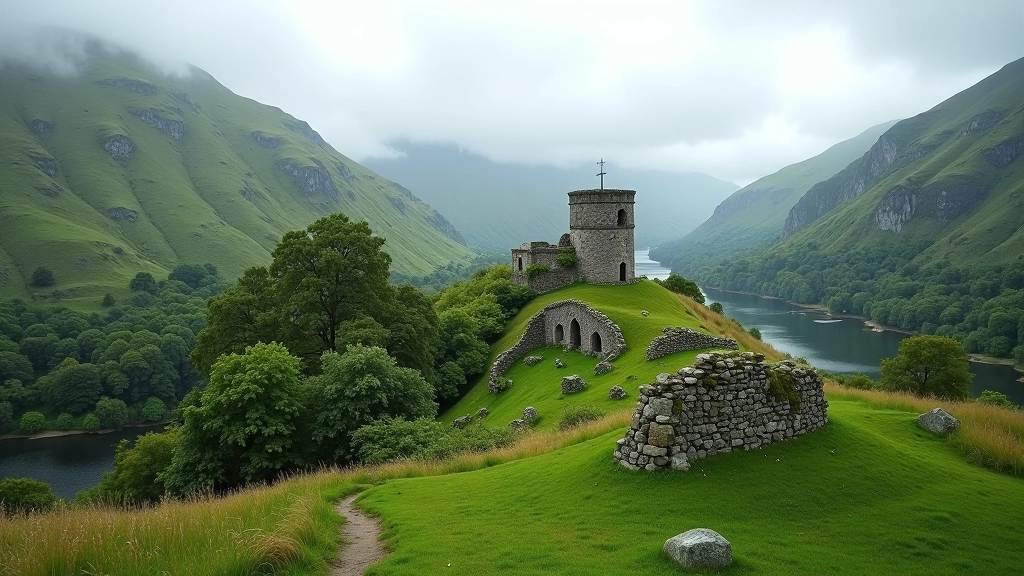
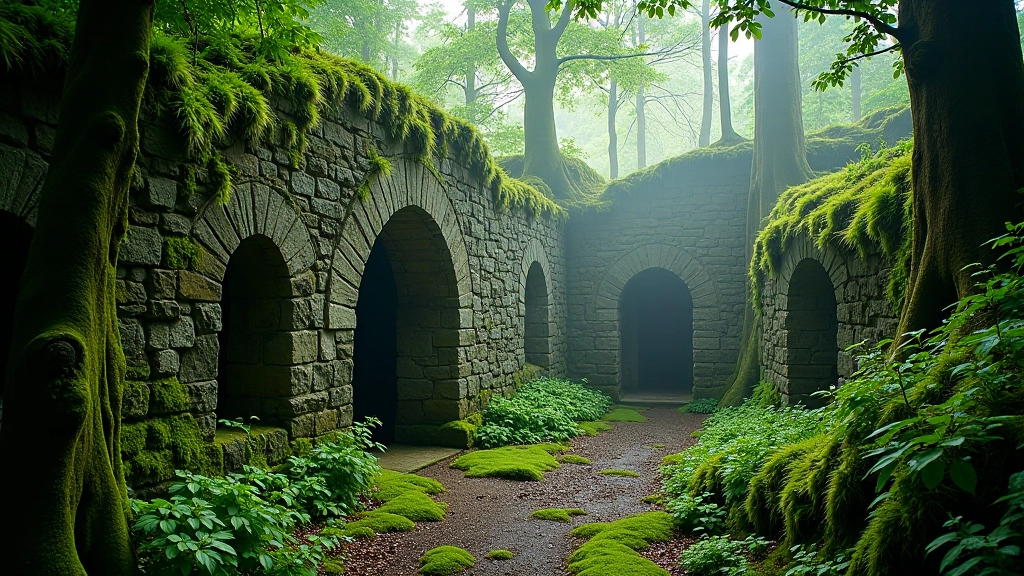
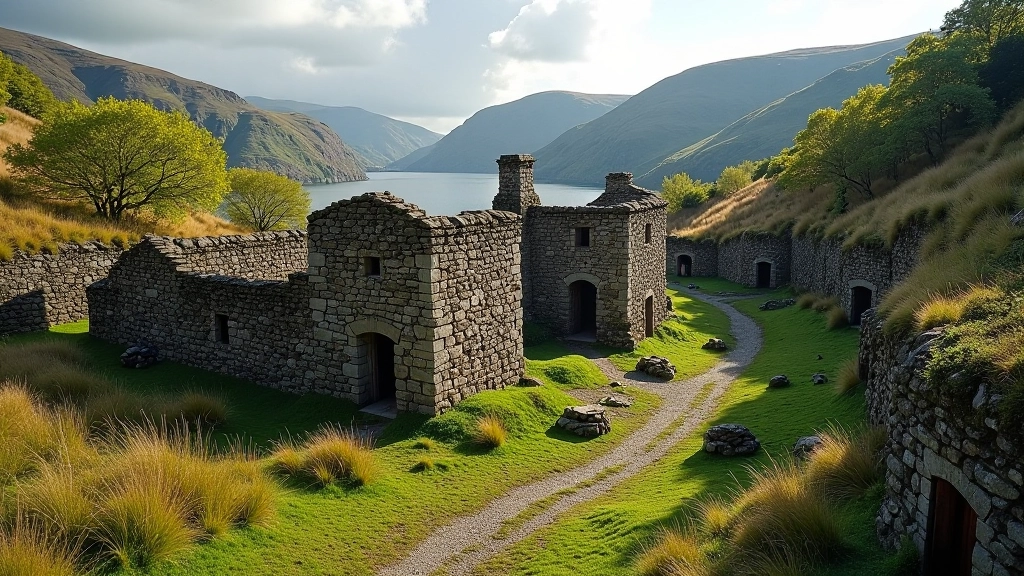
What's remarkable is how much physical evidence remains. You'll find stone structures, old mine entrances (carefully blocked now for safety), and the actual village where workers and their families lived. The company built housing, a schoolhouse, and infrastructure to support maybe 200-300 people at any given time. That's a proper settlement, not just a handful of miners poking holes in the ground.
By the 1920s, the operation wound down. Mining became less profitable, better deposits were found elsewhere, and the world economy shifted. The families moved on. The forest moved in. Now you're walking through a kind of archaeological layer cake — Victorian-era industrial infrastructure slowly being digested by nature.
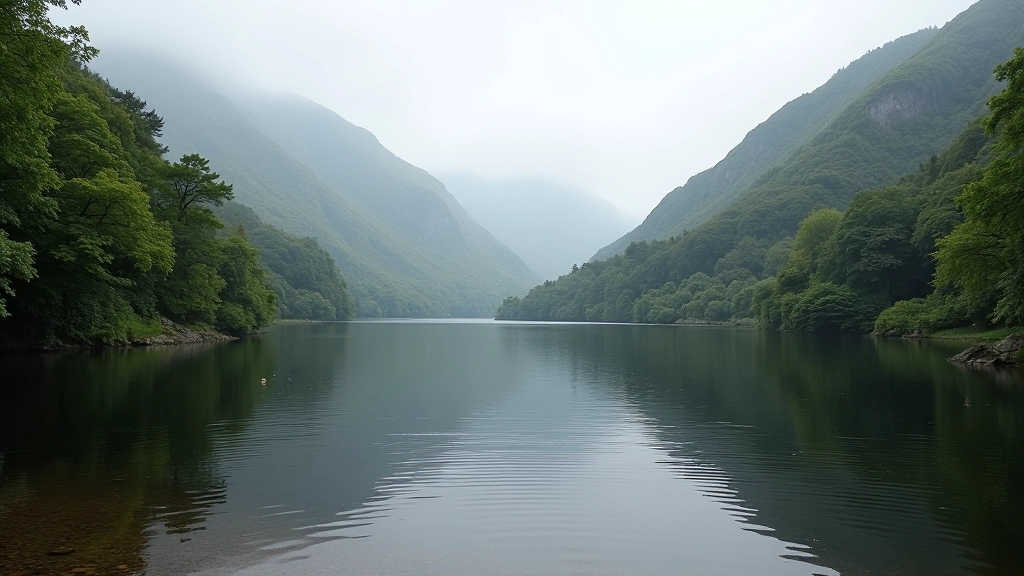
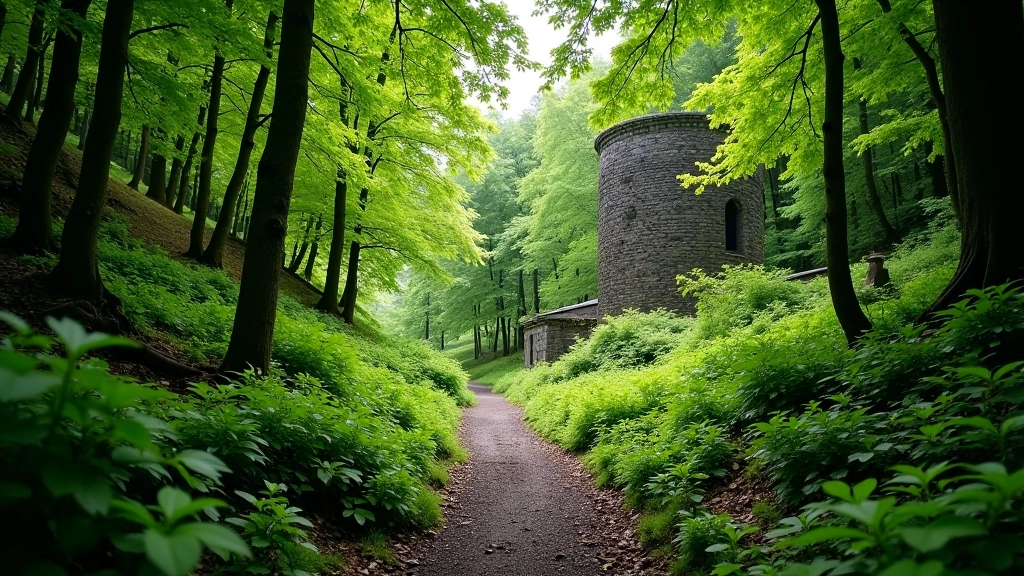
The walk starts near the upper lake area and climbs steadily through mixed woodland. Don't expect signs pointing to "Miners Village" — that's half the charm. You're not following a manicured heritage path with interpretive boards every 50 meters. You're navigating using a map and your own observation.
About 45 minutes in, the first mine entrance comes into view. It's mostly blocked with stone and wire netting (deliberately — these aren't safe to enter), but you can see the mouth of the shaft and understand the scale of the operation. The trail continues climbing, and you'll start noticing other structures: collapsed buildings, stone walls that don't follow any natural contours, old iron fixtures still embedded in rock.
The village itself is spread across maybe 200 meters of hillside. Houses were built close together, probably for efficiency and warmth. Some foundations are obvious rectangular outlines. Others are just scattered stones. It takes imagination to reconstruct what was here, but that's part of what makes it interesting. You're not passively consuming a restored heritage site. You're decoding a landscape.
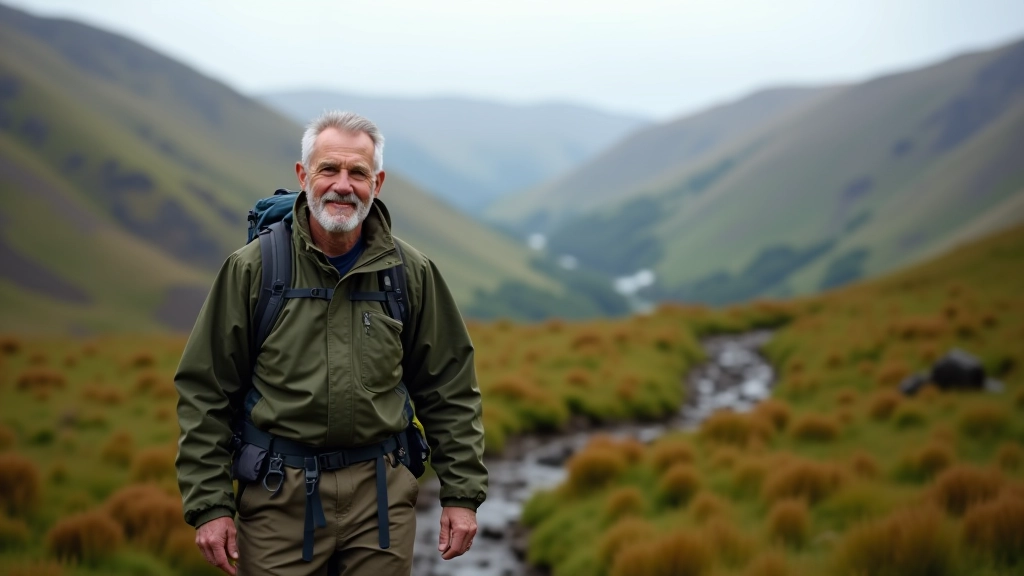
Here's the thing — this isn't a marked trail with signposts every 200 meters. You'll need a detailed map (the Ordnance Survey Discovery Series 56 covers it perfectly) and ideally a GPS app as backup. Most people use AllTrails or similar apps with downloaded offline maps. It's worth the preparation. Getting lost here isn't dangerous, but it's annoying.
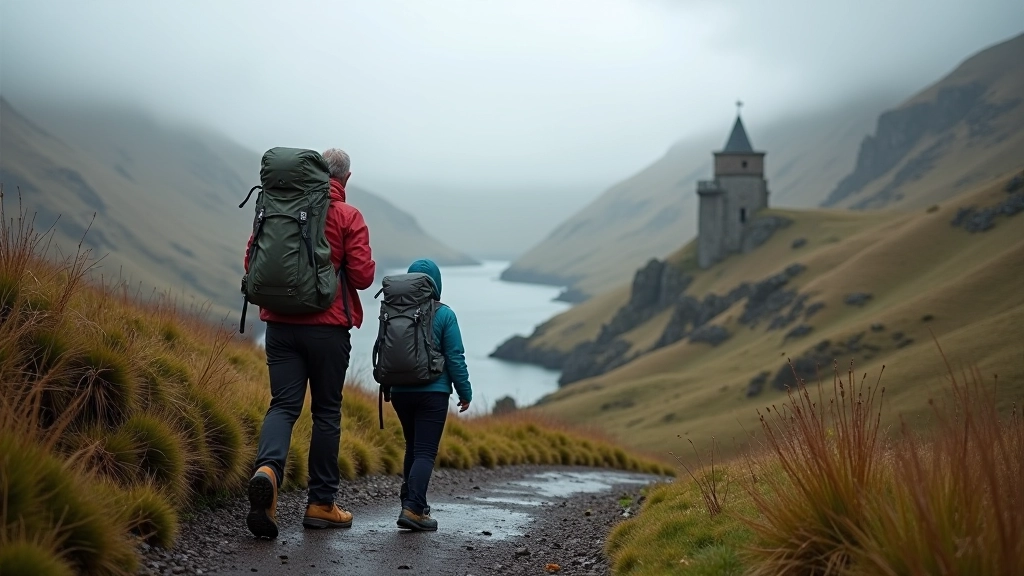
Start early in the day. The walk takes 2 to 2.5 hours depending on how much time you spend exploring the mine sites. Wear proper hiking boots — the ground can be muddy and uneven, and there are loose stones. Bring water (at least 1.5 liters), a light snack, and a rain jacket. Weather changes fast in Wicklow mountains. A 200-meter elevation gain isn't brutal, but it's steady climbing. You're not walking along a flat lakeshore.
The best time is late spring through early autumn (May to September). Winter's possible, but the forest gets very muddy and visibility is worse. Summer crowds around Glendalough don't really extend this far — you'll probably have the trail mostly to yourself, which is part of why it feels special.
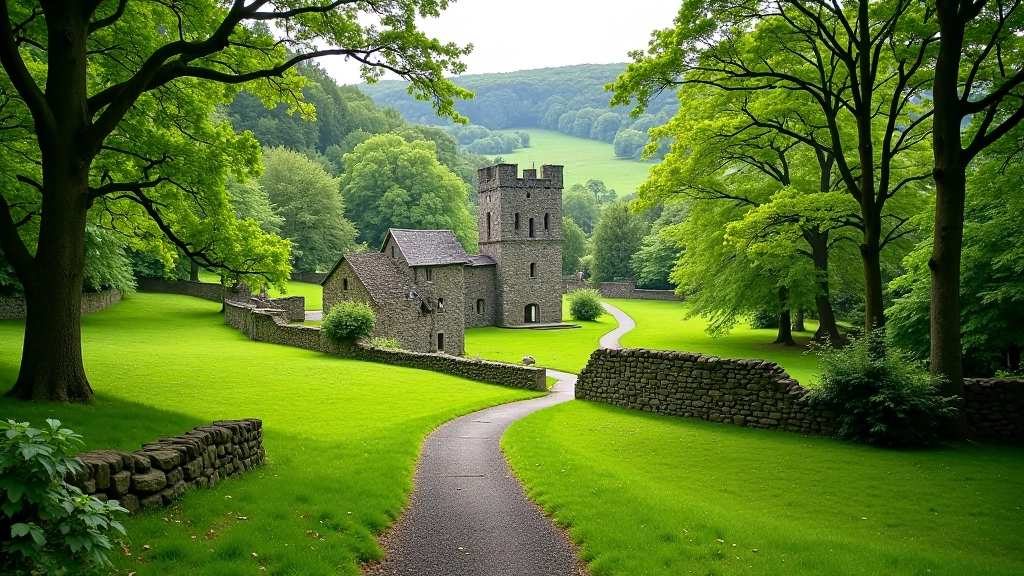
You're not walking through a reconstructed theme park. This is genuine Victorian-era industrial infrastructure, mostly untouched since the 1920s. The structures are fragile — which makes them real.
It's fascinating watching a landscape transition from industrial to natural. Trees growing through mine entrances. Moss covering stone walls. It's a visual timeline of abandonment and recovery.
Families lived here. Children went to school here. People worked these mines for over a century. You're walking through someone's neighborhood, even if it was 100+ years ago.
Most Glendalough visitors stick to the main lake loop or the round tower. This trail is quieter. You're likely to encounter maybe 5-10 other walkers on a weekend, not dozens.
The Miners Village Trail isn't just about mining. It's about economic history, industrial archaeology, landscape transformation, and the way nature gradually erases human activity. It's about the people who lived and worked here, and the communities that built settlements in these remote mountains to extract resources.
What makes it special for retirees and heritage enthusiasts isn't the difficulty — it's the depth. You're not passively consuming information. You're actively interpreting a landscape, connecting physical evidence to historical knowledge, and imagining the lives that unfolded here. That's engaging in a way that straightforward tourist trails often aren't.
Bring a good map, wear proper boots, and give yourself time to explore. Don't rush through. The real value of this walk is in the details — the carefully fitted stonework, the rusted metal fixtures, the way the forest is slowly reclaiming the village. That's where the story lives.
This article is informational and educational in nature. While the Miners Village Trail is a legitimate walking route, always exercise caution when exploring abandoned structures. Do not attempt to enter any mine entrances or access restricted areas. Weather conditions in Wicklow mountains change rapidly — always check forecasts before departing and carry appropriate gear. If you have mobility concerns or health conditions, consult with your doctor before attempting this walk. The terrain can be uneven and muddy, particularly in winter months.