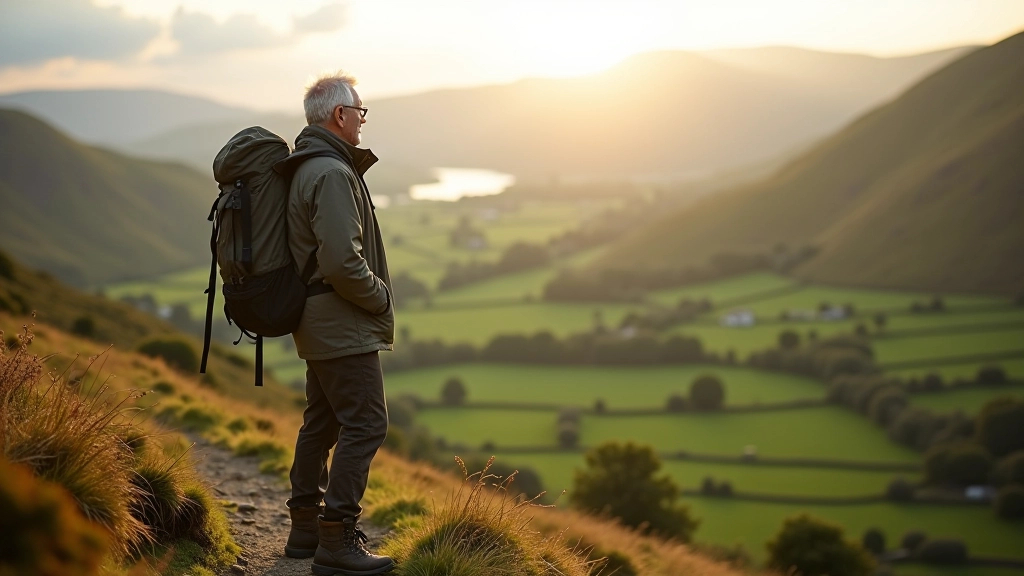
Footwear That Actually Works
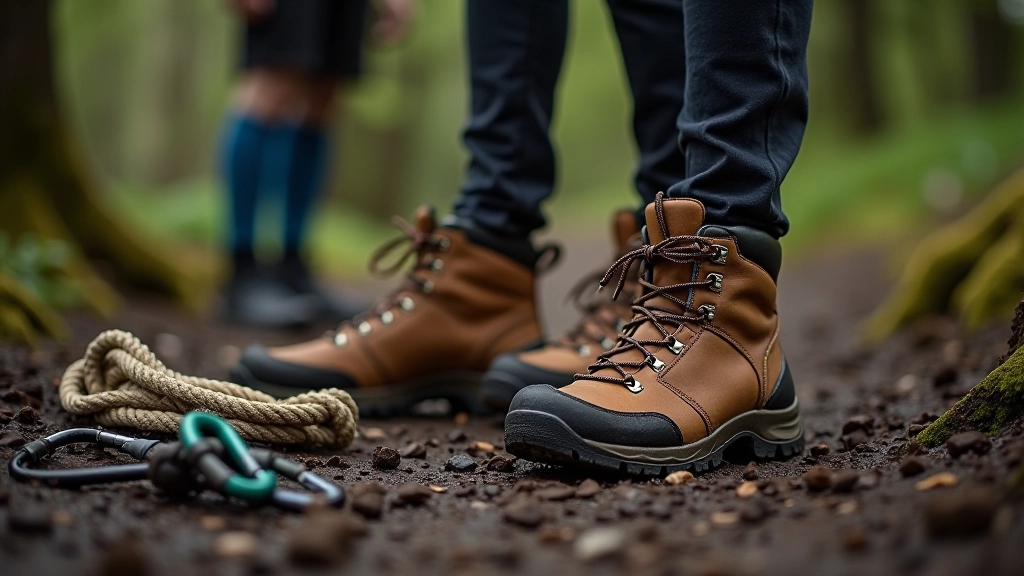
Boots aren't a status symbol. They're an investment in not hating yourself at kilometer three. Wicklow's trails aren't manicured—they're muddy, rocky, and steep in sections. Your trainers won't cut it, and neither will those fashion hiking shoes gathering dust in your wardrobe.
What you need: waterproof boots with proper ankle support. Not fashionable. Practical. Your feet will thank you when it rains—and in Wicklow, it will rain. We're talking Gore-Tex lining, good grip on the sole, and a break-in period before you hit the trail. You'll know they're right when they feel forgotten on your feet, not like you're wearing someone else's shoes.
Socks matter too. Merino wool or synthetic blends, not cotton. Cotton holds moisture and creates blisters. You'll want a couple of pairs so you can swap them mid-walk if your feet get damp. It sounds fussy—it isn't. It's the difference between "my feet are uncomfortable" and "my feet feel fine."
Layers: Your Secret Weapon
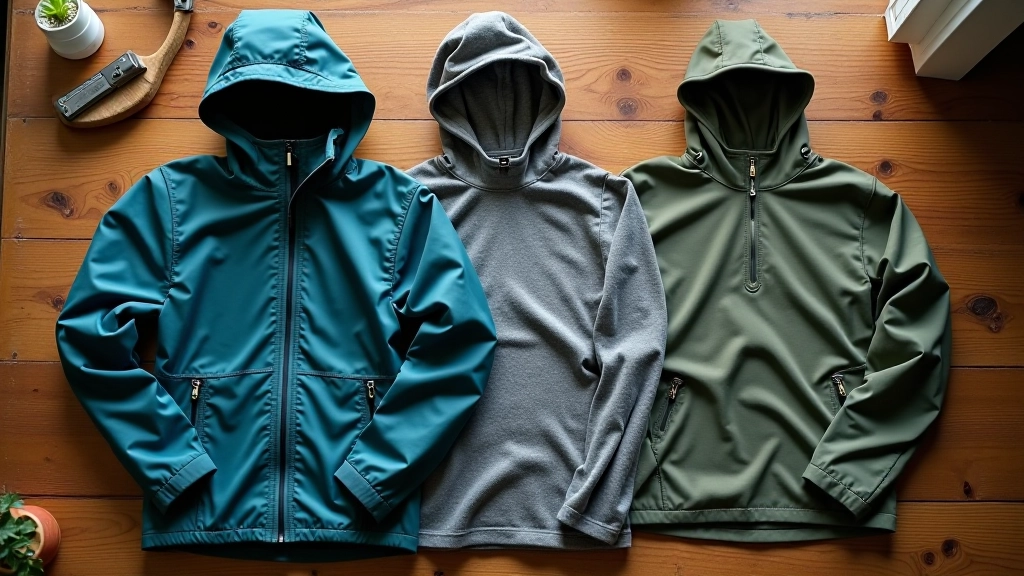
Wicklow's weather doesn't commit. You'll start in sunshine and finish in cloud. You'll warm up on a climb and freeze on a ridge. Layers fix this. Not fashion layers—functional ones.
Base layer first (merino or synthetic that wicks sweat away), mid layer for insulation (fleece works), and a waterproof shell on top. That's it. You strip off as you heat up, add back as you cool down. No standing around shivering, no overheating. Most people carry too much—a decent lightweight jacket takes up barely any space in a rucksack.
Temperature drops about 1 degree Celsius for every 100 meters of elevation gain. Glendalough's upper lake sits around 220 meters up. Miners Village trails go higher. That translates to real temperature differences. A t-shirt at the car park might not cut it at the top. Plan accordingly.
Water and Sustenance
You'll need water. Not "maybe bring a bottle." Actually need it. Most Wicklow trails don't have cafés halfway through. You're bringing everything you'll need.
Two liters minimum for a 10-kilometer walk. Sounds excessive until you're three hours in and parched. Hydration packs work better than bottles—they sit against your back, don't slosh around, and you drink without stopping. You'll actually stay hydrated instead of forgetting you have water.
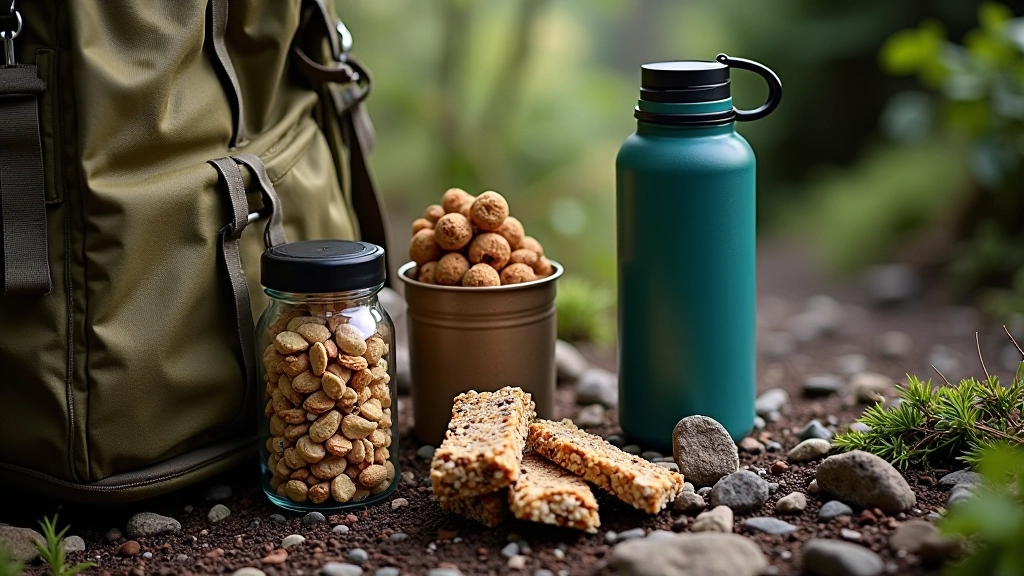
Food's straightforward: energy, not weight. Trail mix, energy bars, a banana. Nothing that requires refrigeration or melts in your pocket. You're not eating for pleasure here—you're refueling. Aim for 200-300 calories per two hours of walking. Your energy dips faster than you'd expect, especially in fresh air and on inclines.
Quick rule: A liter of water per hour of walking in warm weather, 0.5 liters per hour in cooler conditions. Adjust for your pace and fitness.
When to Walk: Seasons Matter
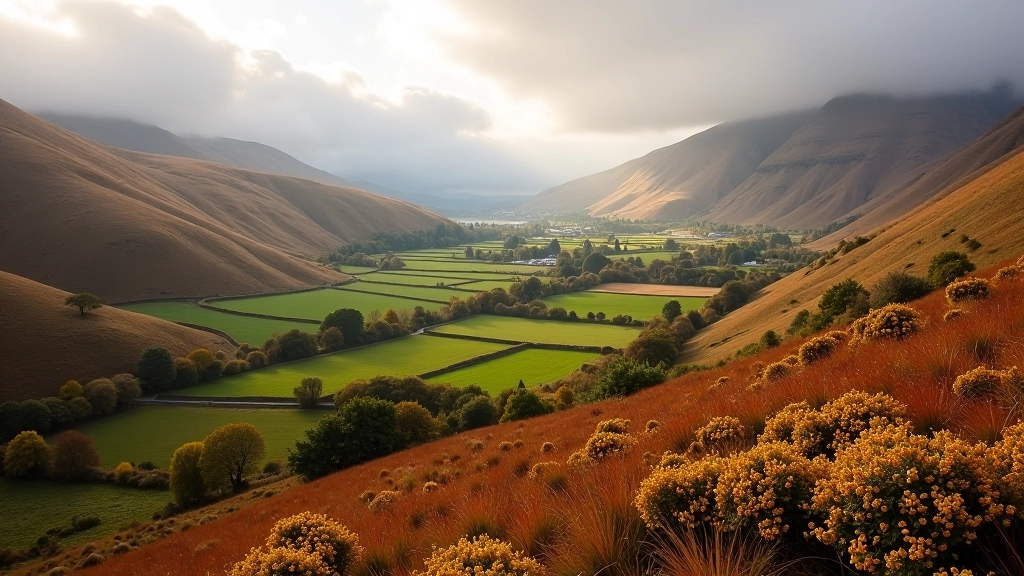
Spring (April-May) brings longer daylight and drier paths. You'll want sun protection and still layers—mornings are chilly, afternoons warm. Trails clear out in early spring before summer crowds arrive.
Summer (June-August) is busy. Trails are dry but crowded, especially weekends. Heat's not really an issue at elevation—you're usually cool. Problem's foot traffic and parking. Go early or on weekdays if possible. Days are longest now—you've got light until 9 p.m., which means flexibility.
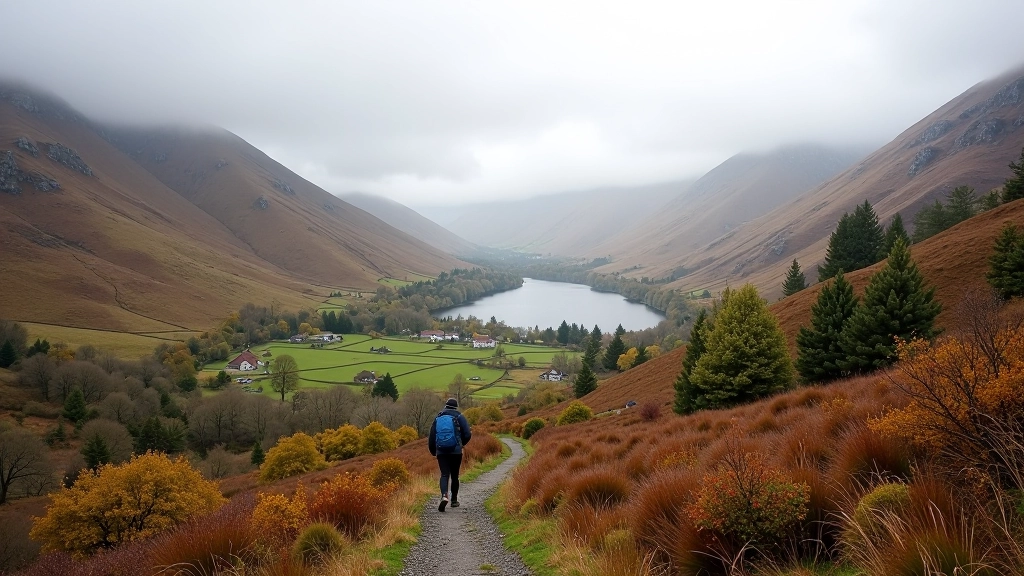
Autumn (September-October) is genuinely the best time. Weather's stable, crowds drop, colors are stunning. Paths can be slippery with fallen leaves, but it's manageable. Pack a waterproof layer—rain's more frequent.
Winter (November-February) requires respect. Days are short—you've got about 7-8 hours of daylight. Trails get muddy and icy. Boots matter even more. Wind's stronger at elevation. Don't underestimate it. That said, the crowds disappear and the landscape's raw and beautiful. Just plan for early starts and bring a headtorch.
Timing for Different Fitness Levels
Upper Lake Trail (around 7 kilometers, mostly flat): Casual walkers, 2-2.5 hours. Regular fitness, 1.5-2 hours. Experienced hikers, 1-1.5 hours. Don't rush it—this trail's about landscape, not speed.
Miners Village Trail (9 kilometers, more elevation): Add 30 minutes to each estimate above. Steeper sections slow everyone down. Fitness helps but isn't everything—technique on uneven ground matters.
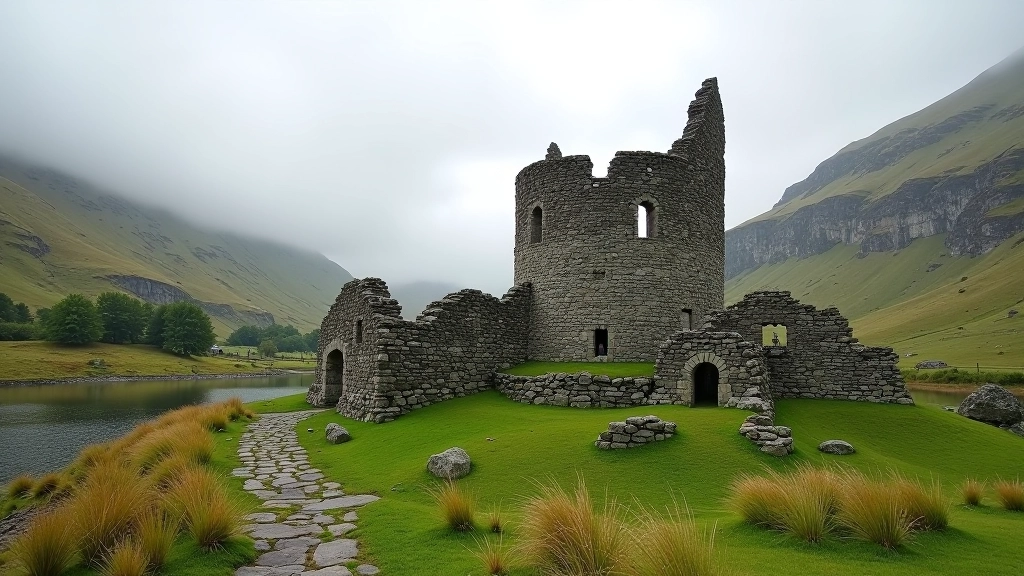
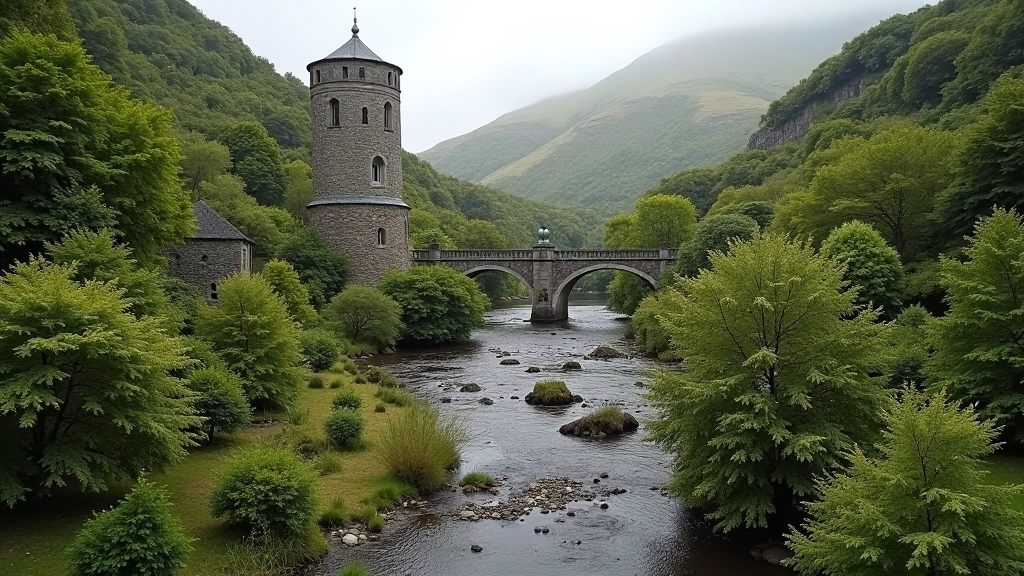
Round Tower and monastic site walks (5-6 kilometers, variable terrain): Budget 2-3 hours if you're actually looking at the sites instead of marching past them. You didn't come this far just to miss what you're looking at.
Reality check: Actual time includes breaks. You'll want water stops, photos, moments to catch your breath on climbs. Build that in. A "2-hour walk" becomes 2.5-3 hours once you add stops. Plan your return time with margin for error—nothing worse than rushing the end of a trail trying to beat darkness.
Final Thoughts
Good gear doesn't guarantee a perfect walk. Weather happens, knees protest, motivation wavers. But it does remove unnecessary obstacles. Blisters from bad boots, shivering from poor layers, dehydration from forgetting water—these aren't adventures. They're preventable frustrations.
Wicklow's trails are genuinely worth your time. The views from elevation are worth the effort. The history embedded in these valleys is worth slowing down for. Give yourself the conditions to actually enjoy them. Proper footwear, functional layers, water, and realistic timing. That's the formula. It's not complicated. It's just thoughtful.
Important Note
This article provides educational information about walking preparations and seasonal conditions in Wicklow. Individual circumstances vary significantly—fitness levels, health conditions, weather patterns, and personal preferences all affect walking experiences. Always check current weather forecasts and trail conditions before heading out. Bring appropriate safety equipment, inform someone of your route and expected return time, and consider hiring a local guide if you're unfamiliar with the area. Walking in mountain terrain carries inherent risks. Use your judgment and don't hesitate to turn back if conditions deteriorate or you feel unsafe.