Understanding Glendalough's Round Tower History
What these 9th-century structures tell us about monastic life, why they were built this way, and what makes the Glendalough towers unique compared to others across Ireland.
More Than Just Historic Structures
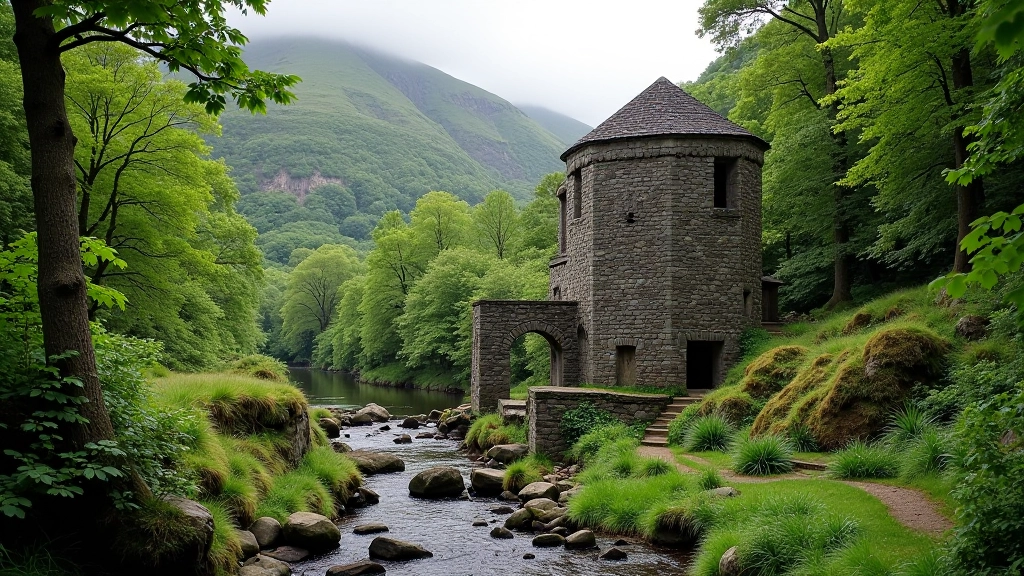
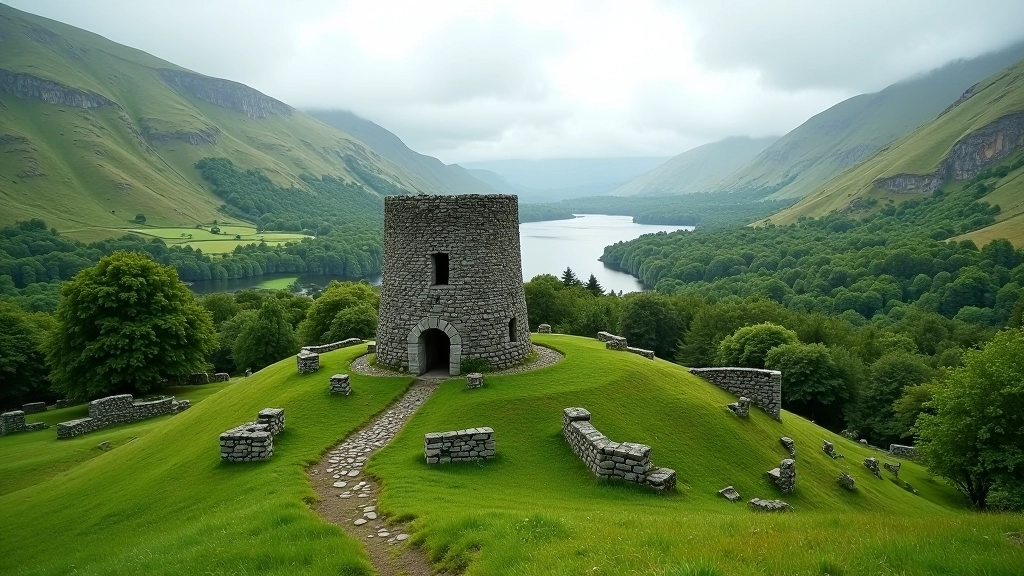
Standing nearly 30 meters high, Glendalough's round towers aren't just architectural curiosities — they're windows into how medieval monks actually lived. These distinctive cylindrical buildings, scattered across Ireland, served practical purposes that made sense given the times. They weren't defensive fortifications like castle towers. They were multipurpose structures that combined storage, bell-ringing, and refuge all in one elegant design.
When you visit Glendalough, you're walking through what was essentially a bustling community. Monks weren't isolated hermits. They worked together, prayed together, and managed resources that supported dozens of people. The round towers reveal how thoughtfully they planned their spaces.
How They Were Built
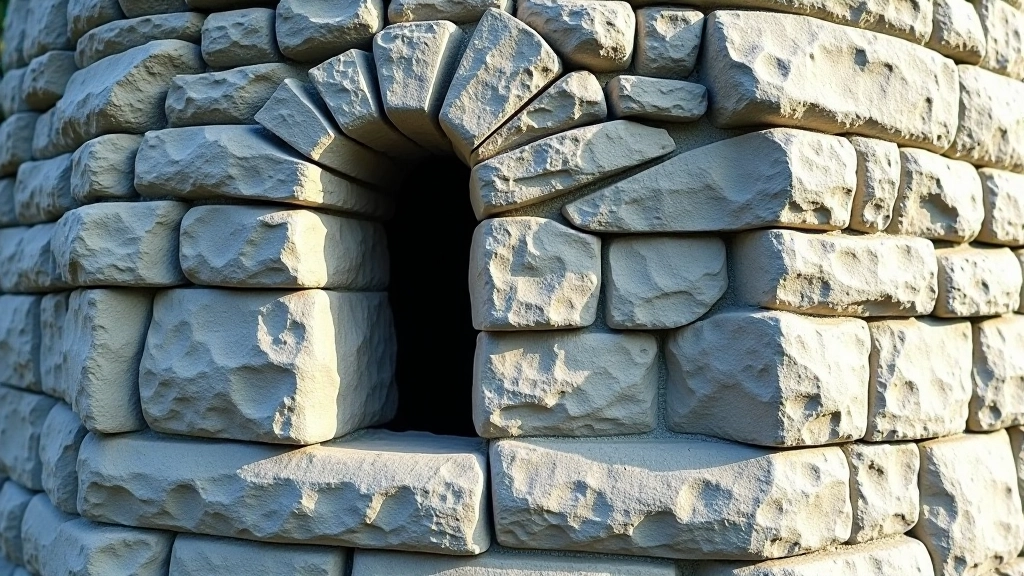
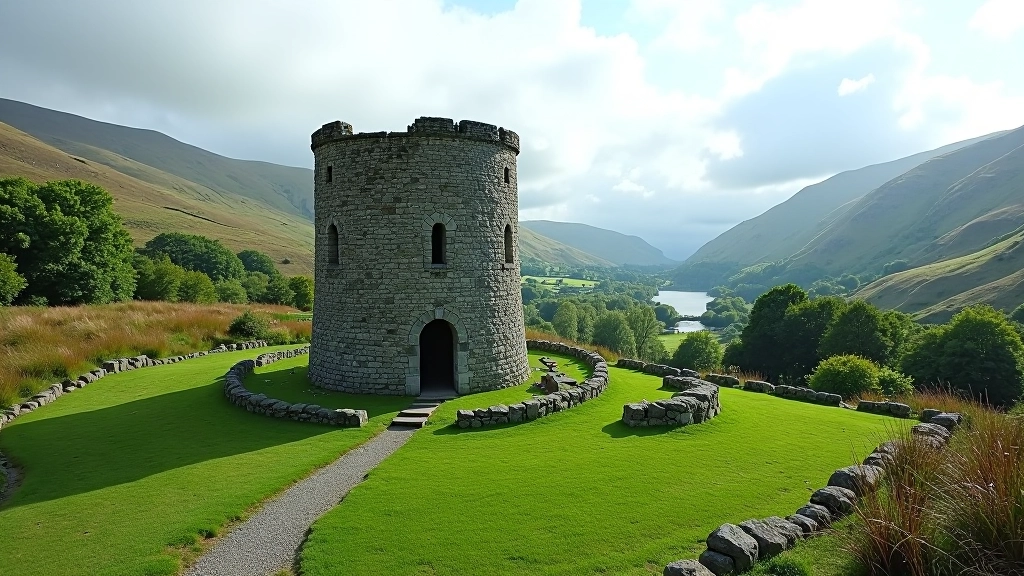
Glendalough's towers weren't built all at once. Most date to the 10th and 11th centuries, though the monastery itself began around the 6th century. The construction method was surprisingly straightforward — local stone laid in courses with lime mortar. What's remarkable isn't the complexity but the precision. These towers stand nearly vertical after a thousand years, which says something about the builders' skill.
The main tower at Glendalough has a tapered cylindrical shape, meaning it's slightly narrower at the top than the base. This wasn't accidental. The taper actually helped with stability and water drainage. The entrance sits about 3.5 meters above ground level — you'd need a wooden ladder to get inside. That height served a purpose. It made the tower harder to raid during Viking and later attacks.
Key fact: The walls are roughly 1.2 meters thick at the base, tapering to about 0.8 meters at the top. That solid construction is why many towers still stand after 10 centuries.
What These Towers Actually Did
You'll see arguments online about what round towers were "really for." Some say defense, others say bell towers, some claim storage. The truth is they did all three. It's not either/or — it's all of the above. Think of them as multipurpose medieval buildings, which makes perfect sense for a community with limited space and resources.
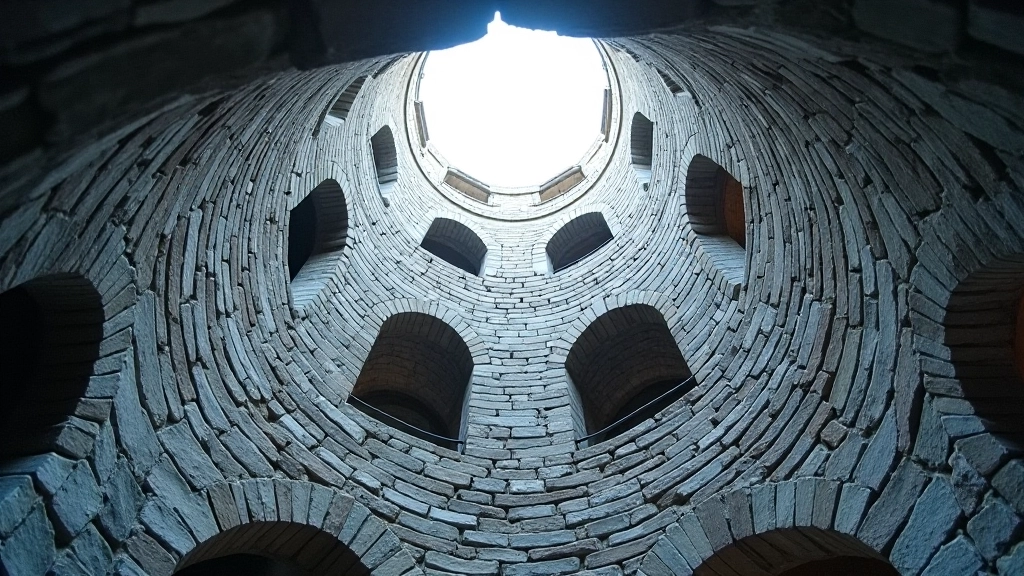
The bell chamber at the top had openings for sound to carry across the valley. Bells regulated monastic life — calling monks to prayer at specific hours throughout the day. From the bell ringing to the architectural details, everything was designed around community needs. The internal floors (long since rotted away) divided the tower into 4-5 levels. Upper levels held valuable items — manuscripts, altar vessels, precious objects — while lower levels provided dry storage for grain and supplies.
Bell Chamber
Top level held the bell that called monks to prayer throughout the day
Secure Storage
Upper levels kept manuscripts and precious items safe from theft and weather
Resource Management
Lower levels stored grain and supplies that sustained the monastic community
What Makes Glendalough Different
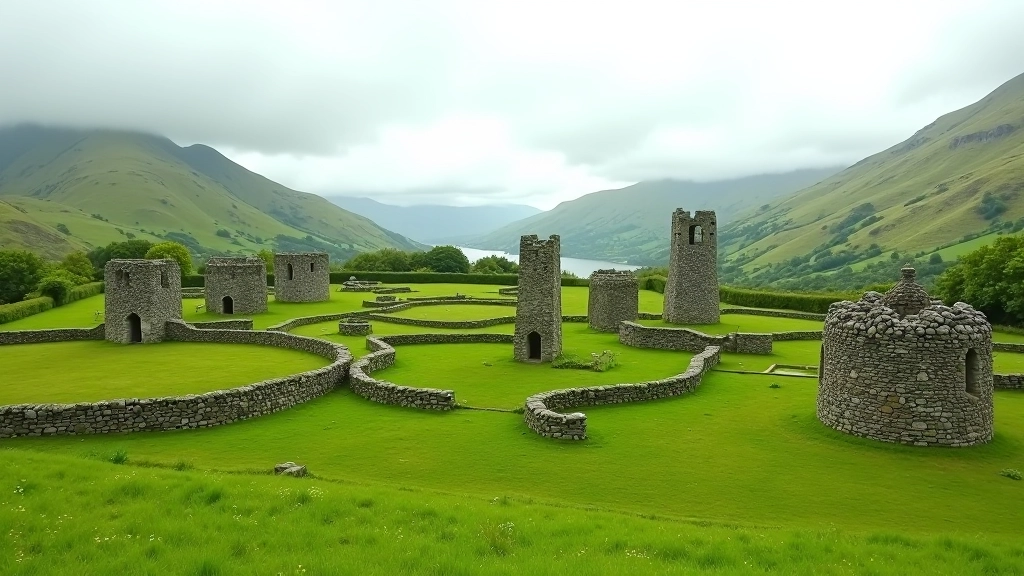
Ireland has roughly 65 round towers remaining — Glendalough has two. That's unusual. Most sites have just one. Having a pair suggests this was a particularly important monastery with significant resources. The main tower you see today stands in the monastic precinct alongside the Cathedral of the Two Churches (which is where Glendalough gets its name — "the valley of two churches").
What's distinctive about Glendalough's towers isn't just their number. It's their setting. They're surrounded by a complete monastic complex — churches, crosses, burial grounds, and dwellings. You can walk through the actual layout of the community. The towers don't exist in isolation. They're part of a landscape that tells a story about how this community organized itself and thrived for centuries.
The towers also show signs of medieval repair work. Notice the stonework that looks slightly different in certain sections? Monks maintained and rebuilt sections as needed. These buildings weren't forgotten relics — they were living, working structures that communities cared for and adapted over time.
Visiting the Towers Today
Walking through Glendalough, you'll get a sense of scale that photographs don't capture. The main tower rises above the landscape in a way that commands attention. From the visitor center, the walk to the tower takes about 10-15 minutes along marked paths. It's a gentle walk, mostly flat with some slight elevation changes.
Interpretation Services
The visitor center provides detailed information about monastic life and the towers' construction. Staff can explain architectural features you might otherwise miss. Audio guides are available if you prefer self-guided exploration.
Photography
The towers photograph beautifully from multiple angles. Early morning or late afternoon light creates dramatic shadows across the stone. The valley setting makes for compelling landscape shots. You'll understand why this place has inspired artists and photographers for centuries.
Accessibility
The paths are well-maintained and suitable for most visitors. The terrain is uneven in places, so sturdy walking shoes are recommended. The main tower itself isn't open to climb inside — you view it from ground level, which still provides excellent views of the architectural details.

Understanding the Towers Deepens the Experience
Round towers aren't just old buildings — they're evidence of sophisticated communities that planned thoughtfully and built skillfully. Understanding their purposes, construction methods, and daily use brings the ruins to life. When you visit Glendalough, you're not just looking at stones. You're standing in a place where people worked, prayed, studied, and built something that lasted a thousand years.
The towers reveal practical medieval thinking. Nothing was purely decorative or single-purpose. Every element served the community's needs. That's why these structures have survived so well — they were well-designed, well-built, and genuinely useful.
If you're planning a visit to Glendalough, take time to walk around the towers at different angles. Notice the stonework patterns, the window placements, the taper of the walls. These details make sense once you understand what the towers actually did. You'll see them not as mysterious ruins but as elegant solutions to medieval monastic life.
Important Information
This article provides educational information about Glendalough's round towers and monastic history based on archaeological and historical research. Information is accurate as of June 2026 and reflects current scholarly understanding of medieval Irish architecture. Site conditions, visitor facilities, and access may change — check with the Glendalough Visitor Centre or local authorities before planning your visit. Weather conditions in Wicklow can change rapidly, so appropriate footwear and clothing are essential. This article is informational and should not be considered professional archaeological or historical analysis. For detailed scholarly research, consult academic sources or speak with heritage professionals on site.
Related Articles